
Blog
my first nikon mirrorless camera | nikon zf review

My suggestion when it comes to camera gear (or just about any creative tool) is to upgrade when your skill level outpaces your tools’ capabilities. Basically, you’ll know when you’re ready. There is no need to buy a $3000 camera if you only know how to use a point-and-shoot, you’re not super picky about clarity, and you’re not interested in getting the most out of the bells and whistles that accompany the high price tag. So, years ago, I started with a low-end amateur Nikon DSLR camera. (Well, my first Nikon N65 was a film camera, but we won’t go back that far!) I got to the point where I was frustrated with some of the limitations and upgraded to a high-end amateur Nikon (Nikon D7000), then to a low-end professional full-frame Nikon DSLR (Nikon D800), and finally to an updated full-frame Nikon DSLR (Nikon D810) with better video and tethering capabilities. I made the same upgrade with lenses from stock telephoto lenses to full-frame professional prime lenses. (You can find a detailed blog post about my camera bodies, lenses, and tips for purchasing camera equipment HERE.)
I’ve been using my Nikon D810 for over nine years, longer than I’ve used any other camera. I haven’t upgraded because that camera has done everything I’ve needed it to. It takes beautifully clear, quality images, and I have never found myself wishing for additional features.
Before I get further into this post, I should note that it is filled with technical photography jargon that I’m not going to explain in detail. If you’d like to learn more about shooting in manual mode and what terms like aperture/f-stop, ISO, etc., mean and how they relate, I share all that information in an accessible way for beginners HERE.
Well, once I started filming more videos of my oil painting process for social media and considered adding recorded and streamed art classes/paint-along sessions, I felt limited by my current equipment. My D810 shoots beautiful video, but it’s limited to 20-minute recording blocks. So, if I’m working on a painting for two hours, I have to stop every 20 minutes to restart the recording. I tried it a few times and also had to replace the battery twice. It came to market before live streaming, so it just wasn’t designed for that or for long recording sessions. The lenses are also not made to auto-focus while shooting video. And, when you focus manually, you can hear the lenses zooming in and out, so I always had to use a separate mic for audio.
I’ve been using my iPhone and iPad, but the lenses aren’t anywhere near as good. I would record a painting session for two hours, only to learn afterward that half of it was out of focus. I have the iPhone 15 Pro Max, and the camera lenses have been so disappointing. I’ve already had it replaced twice because of photos that look garbled when you zoom in. I lugged my bulky DSLR all over Europe because I didn’t trust my iPhone to take good photos.
So, I started researching cameras that are good for vlogging/streaming. My top priorities were the capability to record for long sessions (60-120 minutes), streaming, and quality video/images. Once I started knocking out point-and-shoot cameras with built-in lenses out of consideration, it didn’t make sense to buy any brand other than Nikon. I already have thousands of dollars’ worth of quality Nikon lenses. If I stick with Nikon, 1.) I would already be familiar with the menu and dials, and 2.) I could use all of my lenses with an adapter. Of course, I also want a full-frame camera and not take a step backward. I went from thinking I’d spend $500-700 on a vlogging camera, to looking at over $3000 for a camera body, one lens, warranty, extra battery, etc.
I considered two different models – Nikon Z6iii and Nikon Zf. The Nikon 6iii had better overall reviews for video. The Nikon Zf had captured my heart with its vintage styling. I felt like I would love using this camera with its analog dials and throwback aesthetics. When I compared the video capabilities, I wouldn’t miss any of the extra features offered by the Nikon Z6iii, such as improved handling of rolling shutter and focus transitions when moving from one subject to another. I mostly set up the camera on a tripod and focus on one subject. I decided to get the 40mm Z-series lens, a full-frame prime lens designed for Nikon’s mirrorless DSLRs. The lenses I use most often are 50mm and 35mm, so it made sense to buy a lens that sits right between the two.
I put it in my shopping cart and thought about it for weeks. After a few more blurry iPad videos, I finally decided to buy it.
First of all, I love this camera. I am so glad I went with my heart and bought the Nikon Zf. (You can find it HERE on Amazon. I bought it HERE from BH Photo because they had the silver & cognac combo I wanted in stock.)
It functions much like my D810, but I did have to read the manual to figure out where some of my most-used dials are located. It didn’t take me long to figure it out and get shooting, but I do think it would be overwhelming for someone who has never used a Nikon camera or doesn’t know about ISO, f-stops, or the more technical side of photography. This camera is made for photographers, not people who just want to push a button and go.
I bought this camera to use primarily for video, but I have been very impressed with its photography capabilities, too, and it’s such an easy camera to grab and shoot. (I’ll expand on that below.)
I decided the best analogy for this camera is a mullet (business in the front, party in the back). It’s vintage in the front, but thoroughly modern in the back, with a flip-out monitor, touchscreen, and digital viewfinder. The monitor also tilts and swivels, so I can still see what I’m directing the camera towards when I’m shooting overhead or at an awkward angle. I can’t tell you how many times over the years I’ve had to stand on tables to see what my camera is seeing.
The Zf is also substantially smaller and lighter than my bulky D810. It’s going to be a great camera for travel or shooting out and about. (My 50mm lens is also a big, heavy lens!)
To start playing around with the settings and buttons, I shot a few quick photos in my studio. I was floored by the clarity of the photos when I uploaded them to Lightroom. I was giddy.
I was focusing on my D810 camera, and everything that is supposed to be in focus is so crisp and clear.
I’ve been taking pictures with it and shooting video for a few weeks now, and I’m wondering why I waited so long to upgrade and why I was so hesitant about getting a mirrorless camera. Here are some of my favorite features –
Shooting Interiors Handheld
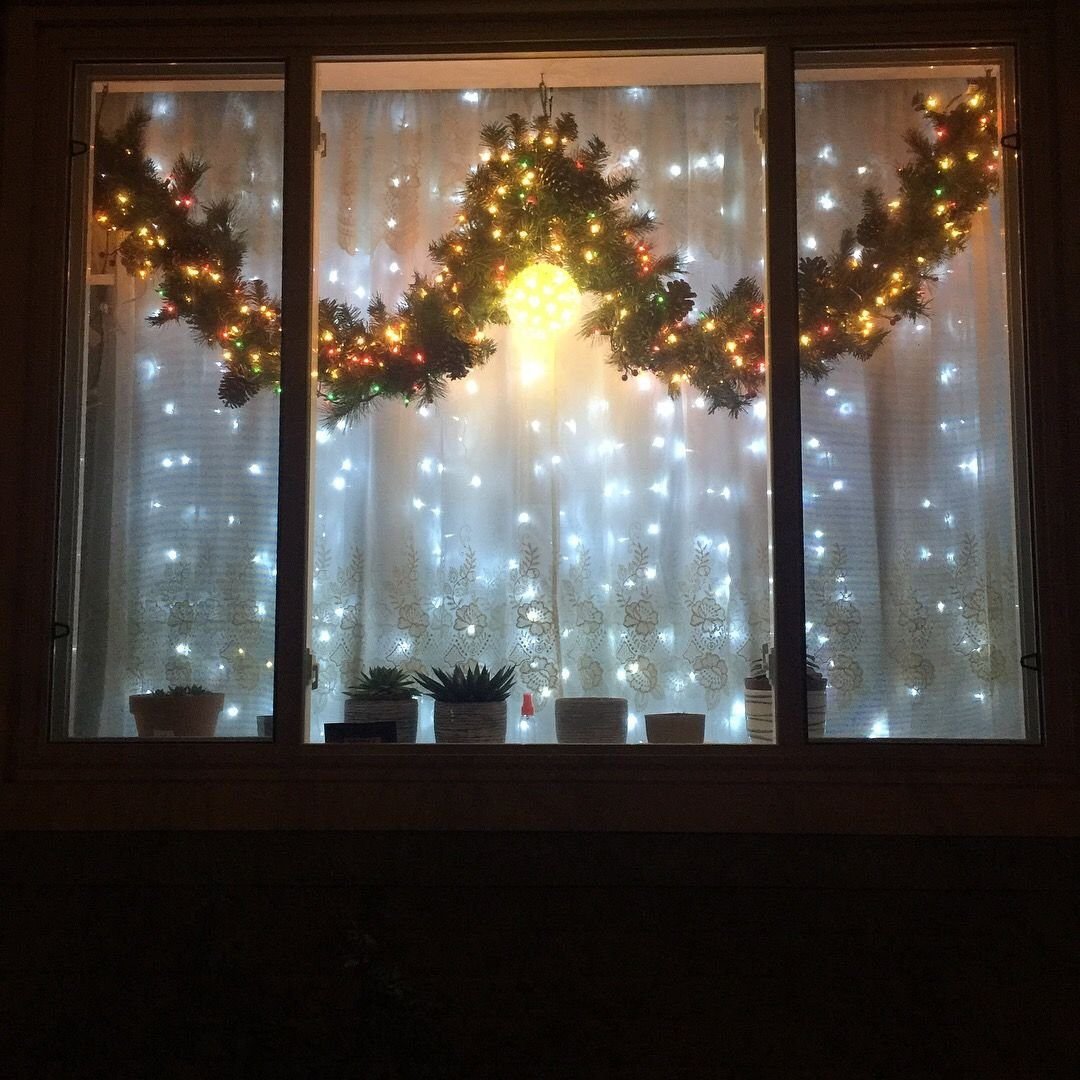
This camera takes incredibly clear images indoors, even when handheld. I almost always shoot on a tripod (THIS one) with a shutter remote indoors to account for low light. If the camera has the tiniest bit of shake, the photo will be blurry. So, I’ll lug my tripod and remote all over the house, which can sometimes deter me from snapping a quick photo of a “moment” to share and can also limit my vantage point. I took this shot handheld over the weekend. It sounds like a small thing, but it’s huge for me! And, I can zoom way in on this photo (the RAW version in Lightroom), which I do, and it’s super crisp. I could never do that with the D810.
Shooting Video
I’m still learning all the video capabilities, but I’ve found the right combo to shoot uninterrupted for 2 hours and 5 minutes! It’s amazing. I use an empty 128 GB memory card, a freshly charged battery, and I shoot at 1920×1080 at 24p (frames per second). I also focus the camera, then set the focus to manual mode so the lens isn’t constantly trying to refocus on my hands or brushes as they come and go in and out of the frame. It’s better to have the focus fixed on the art panel for my purposes. I have tested the video on autofocus, though, and it does a great job. I have mics, but the sound directly from the camera isn’t too bad, and the lens is silent.
I’m still learning some of the specifics of this camera and will continue to play with the settings. I always shoot in manual mode with my D810, but I’ve been shooting in aperture priority with the Zf so I can take shots more quickly. Some of the whites have been blown out (you lose detail), but I could fix that by switching to manual mode. So far, I’ve just been correcting that with editing.
I am still using my D810 to photograph my paintings and for professional-quality shoots for clients, but I’ve been reaching for the Nikon Zf more often.
I’ll provide an update in a few months, but let me know if you have any specific questions about the Zf, my other Nikon gear, or photography in general.

